The Precision Behind Floor-to-Ceiling Glass
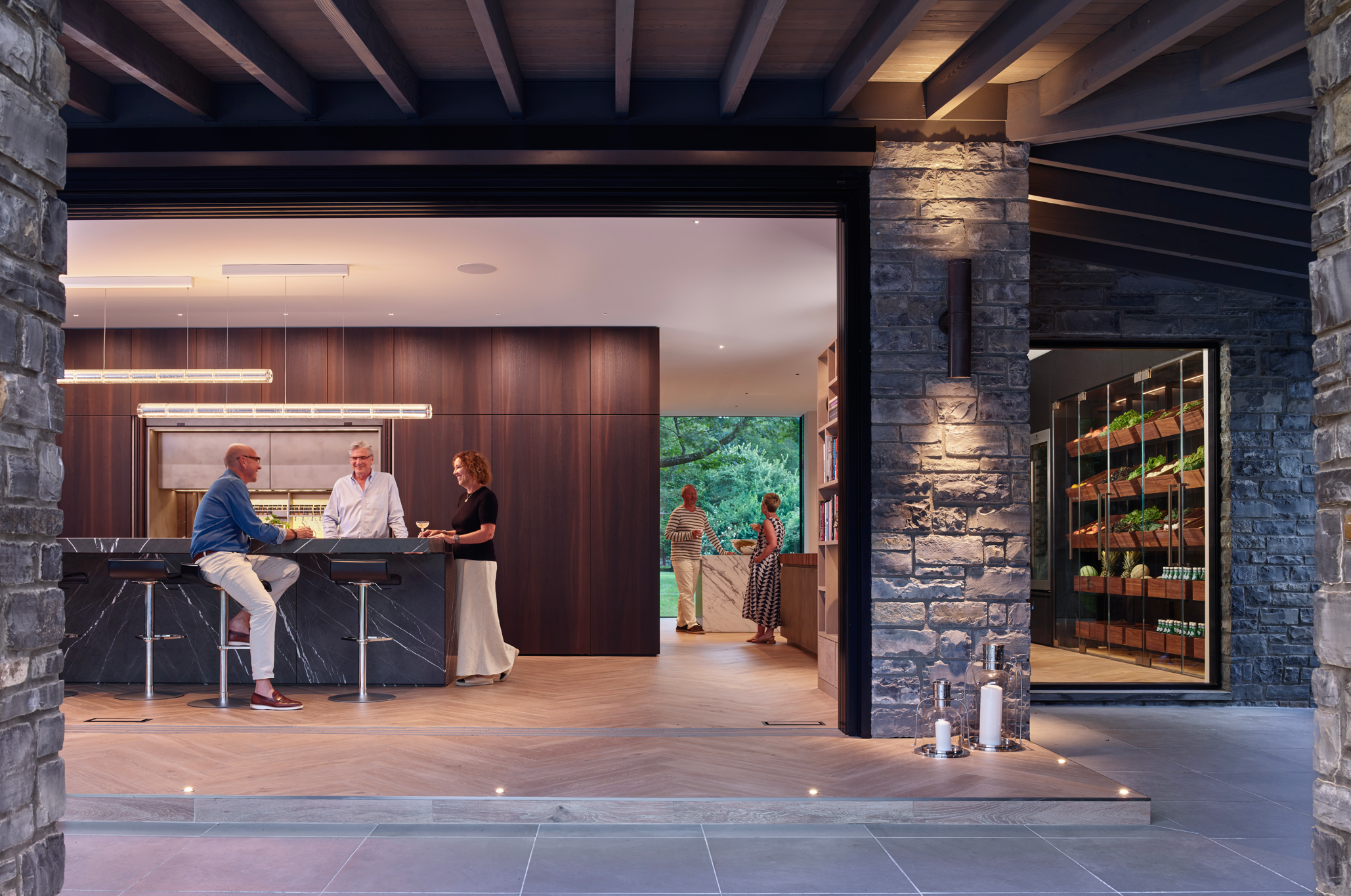
Gladwyne Modern Renovation & Addition featuring floor-to-ceiling glass and a large-scale operable sliding glass door.
Modern Architecture Requires Precision Long Before Construction Begins
Floor-to-ceiling glass is one of the defining features of modern residential architecture. In many cases, the goal is to create a stronger connection to the surrounding landscape while bringing natural light and openness deeper into the home.
While these spaces may appear effortless in the finished architecture, their success relies on an exceptional level of precision, coordination, and planning behind the scenes.
At Janiczek Homes, we frequently collaborate on architect-led custom homes and large-scale renovations throughout Philadelphia’s Main Line, where modern glazing systems and detail-driven architecture continue to shape some of today’s most compelling residential projects.
Early Coordination Shapes the Finished Result
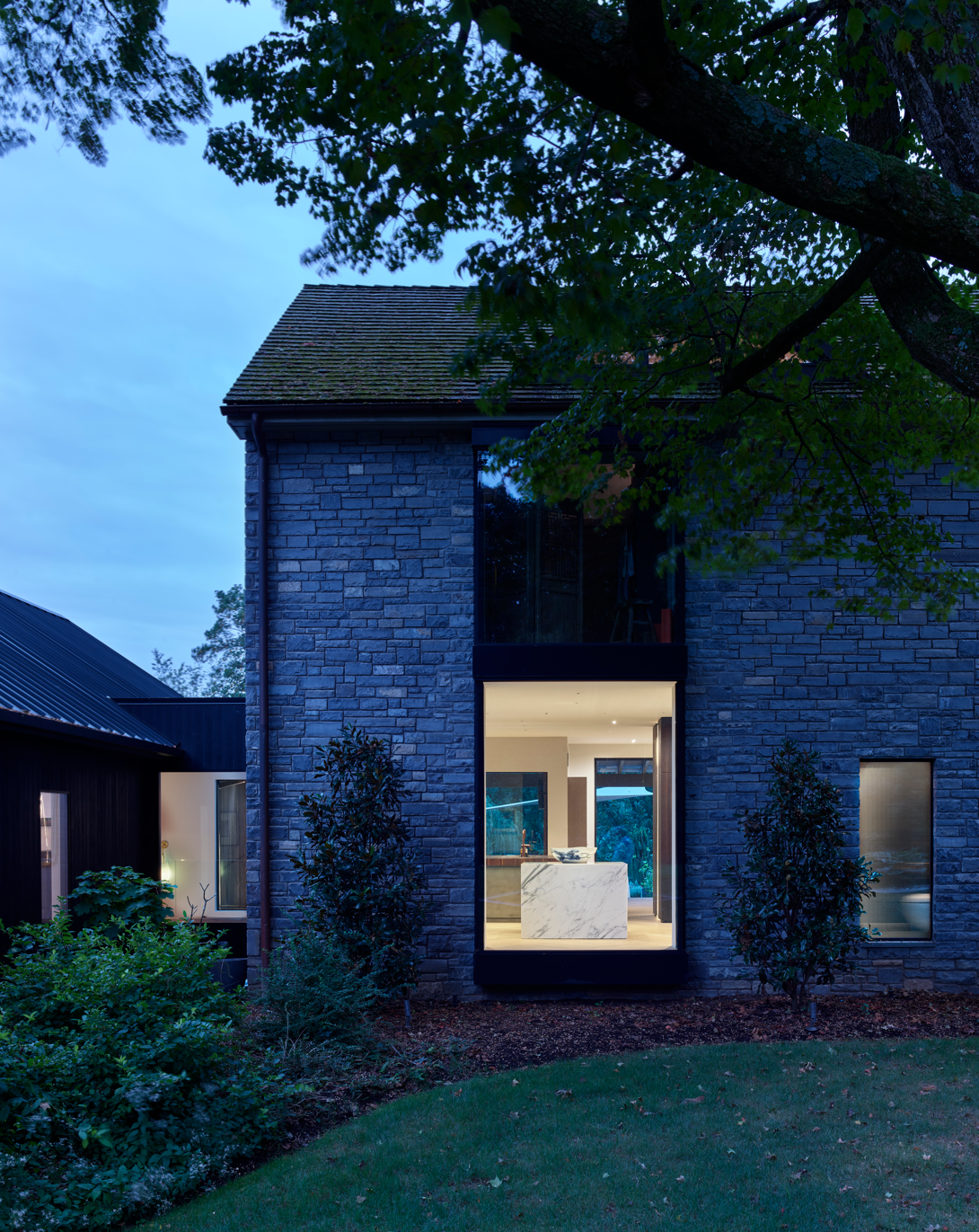
Large-scale glazing systems require careful planning long before glass ever arrives onsite. Structural openings, recessed slab conditions, waterproofing assemblies, HVAC planning, flooring transitions, and finish alignment all need to work together seamlessly.
In homes where the architecture relies on restraint and clean sightlines, even small inconsistencies can become highly visible. For this reason, some of the most important decisions happen early in the process:
How will the glazing system integrate with the structure?
Where will drainage and waterproofing live within the assembly?
How are recessed tracks coordinated with finished floor elevations?
How will thermal performance and comfort be maintained year-round?
How do interior materials and millwork align cleanly to the openings?
These conversations involve close coordination between the builder, architect, interior designer, engineer, and trade partners well before installation begins in the field.
Project Highlight
Gladwyne Modern Renovation & Addition
Architect: Varenhorst Architects
Interior Design: Raindrum Design
Photography: Jeffrey Totaro Architectural Photographer
Performance Matters As Much As Appearance
Large-format glazing systems influence far more than aesthetics alone. When integrated properly, they can contribute to a home’s comfort, durability, natural light, and connection to the outdoors while maintaining strong thermal and weather performance.
Proper waterproofing, insulation continuity, air sealing, and structural coordination all play an important role in ensuring these systems perform as beautifully as they look.
In luxury custom homes and architect-led renovations, these details are rarely accidental. They are the result of careful planning, aligned teams, and a shared understanding of the architectural vision from the outset.
Building Modern Homes with Clarity and Precision
At Janiczek Homes, we lead modern home projects with early collaboration and detailed coordination long before construction begins in the field. Establishing that groundwork early helps support a smoother construction process while allowing important architectural details to be carried through with clarity and precision.
Modern architecture often relies on simplicity, but simplicity at this level is rarely simple to execute. Behind clean lines, expansive openings, and restrained material palettes is a tremendous amount of planning, craftsmanship, and technical coordination.
In homes defined by precision, every detail matters.
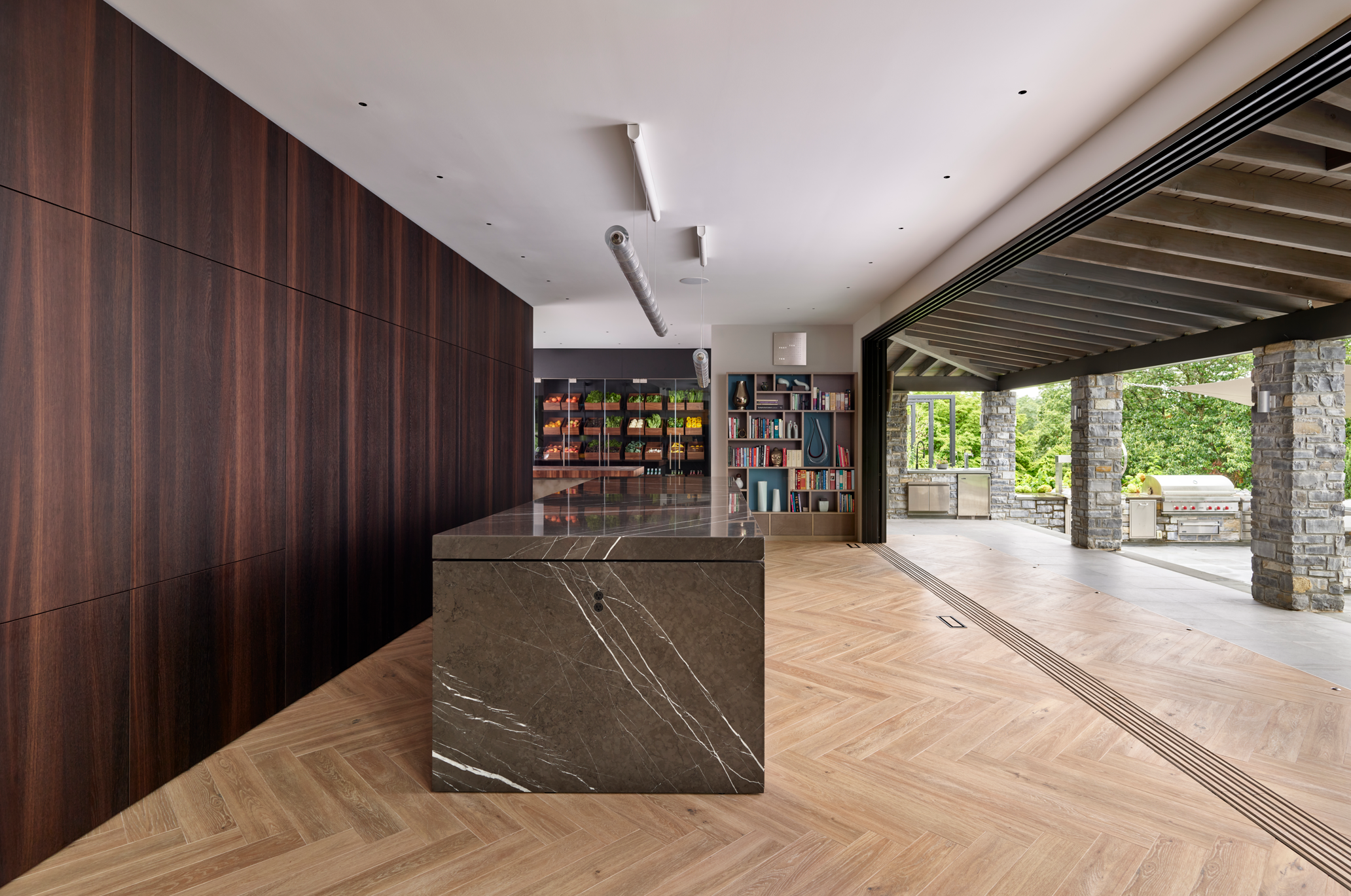
The large-scale sliding & stacking glass doors give way to the outdoor living spaces and surrounding landscape.